
EMDR Therapy
What is EMDR Therapy?
Over 30 years of research shows that by using EMDR therapy people can experience the benefits of psychotherapy that once took years to make a difference. It is widely assumed that severe emotional pain requires a long time to heal. EMDR therapy shows that the mind can in fact heal from psychological trauma much as the body recovers from physical trauma. When you cut your hand, your body works to close the wound. If a foreign object or repeated injury irritates the wound, it festers and causes pain. Once the block is removed, healing resumes. EMDR therapy demonstrates that a similar sequence of events occurs with mental processes. The brain’s information processing system naturally moves toward mental health. If the system is blocked or imbalanced by the impact of a disturbing event, the emotional wound festers and can cause intense suffering. Once the block is removed, the natural healing process resumes.
Eye Movement Desensitization and Reprocessing (EMDR) is designed to alleviate the distress associated with traumatic memories, by actively accessing and processing adverse life experience. During EMDR therapy, the client thinks about emotionally disturbing material (traumatic memories) in brief sequential “doses” while at the same time focusing on an external stimulus (such as tracked eye movements, hand-tapping or auditory stimuli). The outcomes of EMDR therapy include relief of emotional distress, reformulation of negative beliefs, and reduction of physiological arousal.
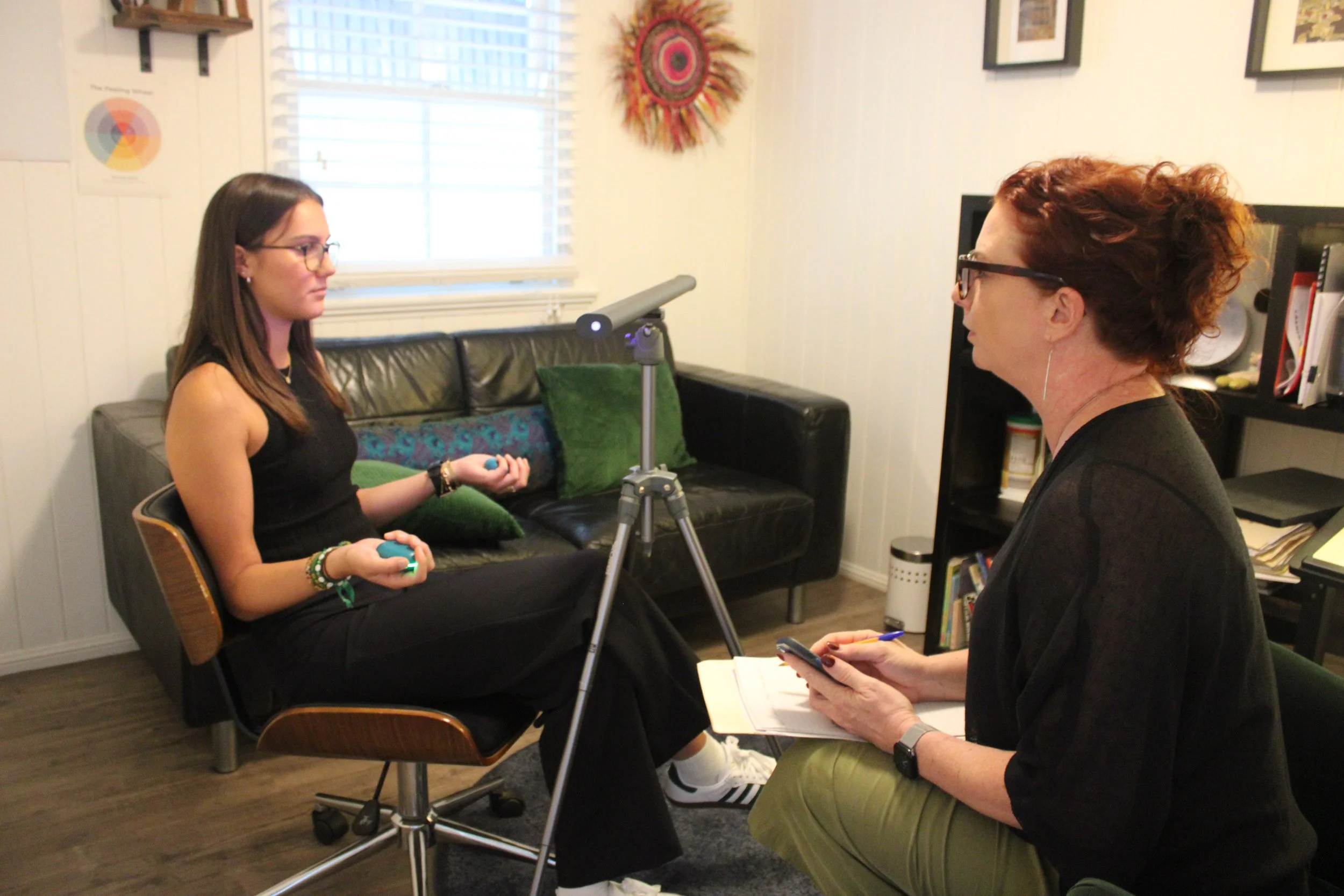
At Lotus Health and Psychology, our specialist trained EMDR clinicians use their skills for a range of presentations, but are particularly focused on the use of this extraordinary treatment for people who have experienced birth-related trauma, medical trauma (including fertility treatment) and sexual or domestic violence (including childhood abuse).
EMDR therapy uses a three pronged treatment protocol:
1) the past events that have laid the groundwork for distress and negative symptoms are processed, forging new associative links with healthy psychological information
2) the current circumstances that elicit distress are targeted, and internal and external triggers are desensitised
3) imaginal templates of future events are incorporated, to assist the client in acquiring the skills needed for adaptive functioning
Want to see EMDR in action?
EMDR for kids

-
Sometimes yucky things happen to us which make us feel scared or upset. When these things happenour brains try really hard to understand. This can make the yucky thing get stuck and take up lots of room in our heads. Even though the yucky thing is over and we are safe, it can make our brains and bodies feel bad.
When our brains are busy with these yucky things, there isn’t enough room for good feelings and thoughts. EMDR is a way of helping us unstick these yucky things so we have more room for good things. Grown ups have a big long name for EMDR, which is Eye Movement Desensitisation and Reprocessing.
-
When kids have EMDR they do some funny things with their bodies to help the yucky things get unstuck. One of these things might be moving your eyes from one side to the other while thinking about the yucky thing. Kids are very good at this because you actually do this every night while you sleep. While you are asleep and dreaming, your eyes have a big dance party and process everything you did that day. Grown ups call this Rapid Eye Movement (REM) sleep cycle.
Some things you might do are:
Follow a finger or light with your eyes
Feel some little buzzes in your hands
Hear sounds with your ears
Feel taps on your knees, back, shoulders or hands
-
By doing these funny things with our bodies while thinking about the yucky thing, our brains are able to process it. Just like how it does every night when we sleep and process what we did that day. When we give our brains some help processing the yucky feeling, the feeling is able to unstick. EMDR doesn’t take away the memory, but it makes it feel smaller and less difficult. This leaves lots of room for happy thoughts and feelings.
-
You are always in control and can stop anytime you like
You don’t have to talk about everything if you don’t want to
It can be hard to think about yucky things but we will always help you feel calm and safe before you leave
Lots of kids start to feel better after just a few sessions